Picture
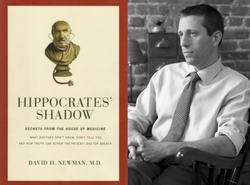
I recently read the above book after seeing the Ted talk by the author, David Newman. The byline of the book is "What doctors don't know, don't tell you, and how truth can repair the patient-doctor breach." Another expose by some white male doctor into the crumbling allopathic care system? I've seen that before! However, this book goes beyond the basic -lets scare the shit out of you through telling you how screwed up the US medical system is- and tries to provide solutions to the real facts that allopathic care is getting worse at supporting health (they do a hell of a job at emergency care).

The main idea that I got out of this book is in regards to a big part of my practice (and something the care providers around me have taught me) which is intention. The intent of whatever you do, or make, or give can be where the healing is. 

I choose to elaborate on ideas he raised that matter to me as a massage therapist and herbalist (though of course, issues like how ineffective CPR is for the majority of people is important to me too) but I recommend reading the book in full

BACK PAIN
As someone who sees a lot of clients for back pain (and experience it myself) this bit hits close to home. 70% of humans experience severe back pain sometime in their lives.  However, what causes back pain is a mystery to modern science. The most common problems physicians see on MRI's that may contribute to back pain - herniated, ruptured, and bulging disks - also occur in the same frequency as people who are not experiencing pain. Perhaps the location of the injury is important? Science hasn't even gotten that far - they simply see an injury, see that you have back pain, and schedule surgery. Surgery on these injuries only has a 50% success rate. What's a skeptic to do, but just do yoga, get massage, take anti-inflammatory herbs, nervines, and anti-spasmodics, and talk with a osteopath or chiropractor? 

KNUCKLE CRACKING
Apparently, modern medicine has no idea what makes knuckles crack. No, I'm not joking, there are various theories, but nothing is proven. Despite numerous studies and meticulous data-collection, everyone has a different theory. This will be my new question to ask a care provider, to see if they make something up .. 

COUGH
Both over the counter and prescription cough medicines "none of [them] works any better than a placebo, and none ever has." Interesting .. this is starting to allude to the fact that a placebo must have other factors at play. When I give people wildcherry bark with honey and lemon, is it a placebo? Maybe, but there's something else in the medicine that can't be explained. 

MIGRAINES
Common prescription medicines for migraines don't work very well (for most people). What's a better option? (Note: this is a sideline, David Newman does not recommend herbs here) = Give them antiemetics (anti-nausea) medicine (try ginger tea or caps at the first sign of a headache) for acute migraines, plus pain medication. Apparently when you get rid of the nausea associated with migraines, it calms the body down enough to dull the pain. 

ANTIBIOTICS
Often cause more harm than good. Even when a bateria is present and patients are not mis-diagnosed or demand antibiotics even though their doctor tells them they don't need them. The amount of yeast infections, diarrea, severe allergies (1 in 400 antibiotic takers have an allergy) and other unnecessary side effects for unnecessary prescriptions causes Dr. Newman to devote an entire chapter on antibiotics. Herbal alternatives? Goldenseal, echinacea, garlic, honey and more herbs can help. Remember you can always take antibiotics later. 

PLACEBO & INTENTION
Often, placebo's work. Often better than their "active" counterparts. However, Dr. Newman goes a little deeper and describes the idea of a "meaning response" - we assign meaning to pills, treatments, diagnosis and rituals of healing. This is the reason why acupuncture (or any procedure) is less likely to work for you if you don't believe in it. A quote from the book that is long but important, and pissed me off a bit too = 

"It's been argued that some fields of alternative medicine depend largely - perhaps even entirely - on meaning responses. If so, are we to conclude that these methods don't heal? Speak to migraine sufferers who see an acupuncturist for their headaches. They neither know or care that a recent trial found acupuncture for migraines 'no better than a placebo.' In the trial, while acupuncture was not better than a placebo procedure, both were far better than being in the group assigned to the 'waiting list.' where patients never had any contact with acupuncturist. Many migrane sufferers, and many acupuncturists, have found that the headaches are reduced by acupuncture, and they believe in it strongly; therefore, they're right. Whether it is the ritual of administering the procedure or the biological impact of the acupuncture that provides relief is in many ways immaterial to the patients... for patients, speaking to the [practitioner] about what [ailment] is, where it comes from, and what to expect is a meaningful and healing act .. Though Hippocrates may not have known it, the meaning response was likely the core of his practice, and by all accounts his patients loved and revered him. He was a master healer." 

Perhaps it took me a while to realize this (as a beginning healer) but what I actually massage or herbalize my client with, doesn't actually matter as much as I thought it did. What seems to matter more is the relationship, the giving of hope, the act of listening and holding space for their pain. I might devise a stellar treatment plan, but without the "meaning response" my remedies are much less likely to be effective for my clients. 

Check the book out! Brooklyn Public Library has it, or you can purchase from Bluestockings Bookstore


Picture
As an herbalist, I sometimes find my private practice to be isolating and limited in scope. When I have questions about a client or want to bounce ideas off of someone, it's hard to find time to talk to other herbalists, when your client wants a program quickly in place for them. Also, if I wanted to open my own storefront to see clients, it would be too expensive and I would have to charge more than is accessible to my communities, and I don't want to work for someone else who would charge more and keep the profits .. So, how do we as herbalists create businesses that are awesome, profitable, and accessible?

Try opening a worker cooperative like Third Root Community Health Center in Brooklyn. Third Root was started in 2008 with the radical idea that they would provide accessible, sliding scale care in a setting that was not a nonprofit, where there would be no bosses and no hierarchy. 8 practitioners - yoga teachers, herbalists, acupuncturists, and massage therapists - banded together to raise money collectively to build out a storefront and open their doors as widely as possible for the most amount of folks - through offering services on a sliding scale, by offering scholarships, by holding space for the hard conversations of racism, classism, and other forms of oppression that saturate the healthcare community.  Their unofficial motto was 'for us by us' - outreaching to communities least served by holistic care and creating a diverse, welcoming healing space that most people feel better just by walking through the doors.  All of the practitioners are also owners of the business, reaping both the rewards and the risks.

I joined Third Root 3 years ago while I was being trained as an herbalist and massage therapist. I can't imagine working anywhere else. The collective has grown to be 10 people and I am constantly learning from my fellow worker-owners. The community of knowledge and support I receive on a daily basis is unparalleled in any of my other work enviroments. Herbaly speaking - we have a shared apothecary of more than 100 herbs (would I be able to have this on my own - no way!). Herbalists at Third Root teach workshops and classes together, constantly learning from each other. I get referrals from other practitioners, and I'm able to develop specialties and offer classes in different areas - like addiction/recovery, trans health - commonly ignored by herbal curriculum. Most importantly of all, my clients are happier and better served than if I was a sole practitioner.


Picture
You're likely to either love or hate bitter flavors. Spring is the time of change - and to make sure that change flows we need bitters. My first introduction to a custom herbal protocol as an adult (I'd been experimenting on myself for years before that, and my mom often gave us herbs) was a bitter herbal liver cleanse by one of my teachers - Karen Rose of Sacred Vibes in Brooklyn. I came complaining about feeing stuck in the winter, slow, sluggish, lethargic. She gave me Oregon Grape, Yellow Dock, Dandelion & Burdock to take 3x a day for a week. Clearly this decoction did not taste great, but Karen said to choke it down - the taste was important too. I started the cleanse skeptical, but left feeling exactly as promise - FLOW was back, I felt lighter, not craving the heavy winterfoods, and my skin had cleared up. I was a believer in bitters. The herbs helped my liver do what it loves to do - process out impurities and toxins in the body - so in a sense I was just helping my body remember (through bitter flavors) what it was doing all along. 

Picture
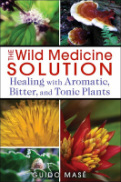
I recently started reading The Wild Medicine Solution by Guido Mase. Guido writes poetically about bitter herbs and their effects in "remedying digestive symptoms, bolstering liver health, and reestablishing blood sugar balance." Exactly all the things you need after a long winter of sluggishness (if you live in the cold climates like I do) and eating a lot of heavy foods. I recommend reading this book for its fusion of science and energetic herbalism and the simple focus on aromatics, tonics and bitters. 

Simply find your favorite liver root - I recommend yellow dock or burdock if you live in the NE as you can harvest it simply outside your door in most cases - and make a strong decoction of 1 tbsp herb to 1 cup of water simmered, covered, for 20 minutes. Drink a cup 3-4 times a day for a week, and see how you feel.  


I know it's been a while, but I'm thinking about my favorite winter beverage - Fire Cider! It's been capitalized on by some lovely folks out of Northhampton, but for the hefty price of $15/8oz you can make your own for about $2. 

I like this recipe from Mt Rose Herbs:

1/2 cup fresh grated ginger root
1/2 cup fresh grated horseradish root (you can use the stuff that comes in vinegar from the store too, fresh is hard to find in the winter)
1 medium organic onion, chopped
10 cloves of organic garlic, crushed or chopped
2 jalapeno peppers, chopped
Zest and juice from 1 organic lemon
2 tbsp rosemary
1 tbsp tumeric
apple cider vinegar (Braggs is the best)
(this comes later) raw honey to taste


Put everything in a quart jar. Place a piece of wax paper of plastic over the lid, so the vinegar doesn't come in contact with the metal. Store in a dark, cool place for one month and remember to shake daily.

Strain through cheesecloth and add about 1/4 cup of honey and stir until incorporated. Taste your cider and add another 1/4 cup until you reach the sweetness you like. 

You can add to seltzer, hot water, or just do shots straight! It's good when you're coming down with a cold, or when you don't want to get one. Fire cider is an herbal supplement to boost the immune system, stimulate digestion, and spice up your winter days. 


Picture
I'm helping to facilitate a class - Level II herbal studies - with Jacoby of Third Root Community Health Center (where I spend a lot of my time). We took a field trip to the rare book room of the New York Academy of Medicine yesterday to look at herbals from the 15th Century to now. The librarian had set out crumbling texts that were held together with ribbon, that we carefully turned the pages of looking up our favorite plants. I spent a lot of time looking at early-American texts by Samuel Thompson, an early 19th century self-taught herbalist in the Northeast. His favorite plants were by far, lobelia and cayenne. They came first in his materia medica and had pages upon pages of uses. 

Picture
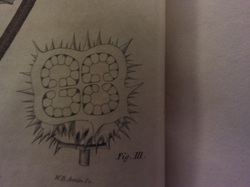
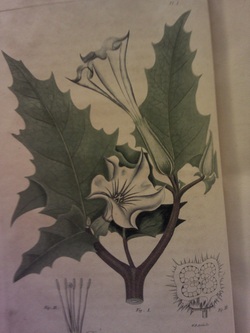
Datura also kept coming up in my browsing. You can find this plant growing in tree-pits around brooklyn this time of year - wild (or scattered by a moder-day Johnny-Datura?) and growing furiously in late summer. Many a night I've been out late and observed a few datura growing on my walk home through Clinton Hill. The seedpods are spikey and noticable -> and quite beautiful in this drawing. 

Picture
Datura, or Thorn Apple, is a notorious hallucinogen & dangerous. It's beautiful and the flowers open at night (why you see it in the late evening walking home) and has been co-evolving with humans for hundreds of years. Would I recomend you taking some? No - not unless you go to the rare book room at NYAM and read all the texts about this beautiful plant. The early American herbalists and botanists have a lot to say. I'm excited to say hello to this plant on the street - but will still stay my distance from ingesting it even after reading the herbals from 100 years ago. 


Picture
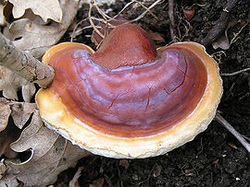
Reishi - Ganoderma lucidum - lovely adaptogen
I'm reading David Winston's "Adaptogens: Herbs for Strength, Stamina and Stress Relief" an excellent overview of the class of herbs that everyone should be taking. Why? They decrease the effects of stress on your body (and stress is broad here - anything that stresses your body - like life!) leading to a longer, more dis-ease free life. 

I often use traditional chinese medicine (TCM) pattern diagnosis in working with clients. I was excited to see the following chart on 5 classes of the "Superior" herbs in TCM. Superior herbs support the three treasures of our lives - jing (essence, life force), shen (spirit), and qi (movement, vitality). Everyone should be taking them!

QI TONICS 
Increase energy and treat depletion: Asian ginseng, dang shen, eleuthero, ginseng, licorice, and prince seng.

BLOOD TONICS
Blood builders: he sou wu, lycium (goji berry), rehmannia, dang gui

JING TONICS
Conserve or strengthen your vital force: asian ginseng, cordyceps, reishi, scisandra

YIN TONICS
Nourish your fluids, relieve dryness, strengthen lungs, skin and bowels:
American ginseng, prince seng, lycium, and shatavari

YANG TONICS
Use for deficient kidney conditions affecting reproduction & adrenal function:
ashwagandha, cordyceps, epimedium, morinda root

You don't need an appointment with me to start taking one of these herbs. Go to your local apothecary and pick up whichever herb you find yourself drawn to and experiment on yourself. Not all herbs are right for all people, but by being intentional and noticing how your body responds, you will find the herb that's right for you. 

I wish you vitality, ease and freedom in your path!


another way to improve your cardio health - AORTA Collective


Did you know massage is a great way to improve cardiovascular health? For people who have lots of stress, testosterone, smoke, or have less-than-perfect diets - massage is a great way to gift yourself some down time, to heal and relax. I just read this great article on how to improve your cardiovascular health, and am inspired to get a massage!
http://www.integrative-healthcare.org/mt/archives/2012/05/massage_therapy_12.html
 
 
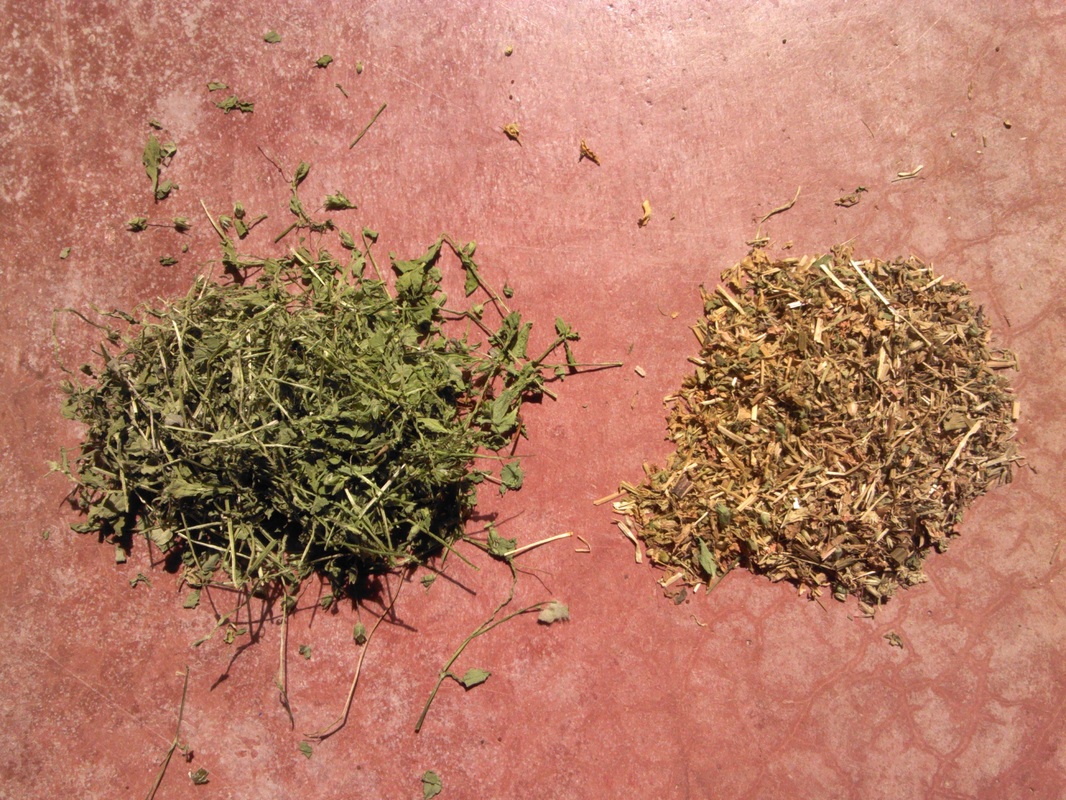
Which dried herb pile do you think was recently harvested from the lawn up in Tivoli? That's right - the green one.  The pile on the right is chickweed from Mountain Rose herbs in Oregon. No bad blood, but herbs are ALWAYS better if you can harvest or grow them in your local area.

Chickweed is a powerful and common lawn & bike-path side herb. It is best used fresh (sorry dried herbs!) for blood toxicity, fevers, inflammation, and other HOT diseases. An oil or salve can be made to treat skin rashes, eczema and psoriasis.  Eaten fresh or in a tea, it is a fabulous spring blood cleanser and weight eliminator (both physically and psychosocially). 

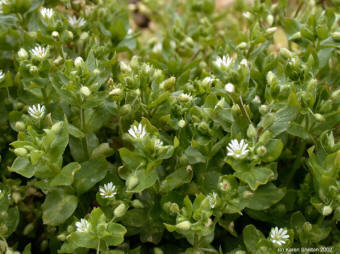
Go out and find chickweed growing in your lawns and the park - it tastes like spinach and is delicious raw or lightly steamed. Right now it is flowering and you can see the tiny star-shaped flowers below. 

Enjoy other spring herbs like dandelion, cleavers & violet in a refreshing spring salad - now is the perfect time to munch on these spring cleansers. 
 
 
I am the proud caretaker of the herb garden at the Tivoli housing co-op in upstate New York. And by caretaker, I mean I'm just following the plan of the previous gardener, getting starting on planting and clearing space for cultivated herbs these last few warm weeks of Sprin-winter. 
yellow dock
harvesting yellow dock in the herb garden
There are many medicinal plants growing in the "way" of the garden, but the one I was digging up last week first was Yellow Dock. One of my most powerful experiences with herbs involved a 1 week liver detox that included yellow dock, oregon grape, dandelion, and yes, yellow dock. A common field weed, yellow dock is a superior reliever of liver stagnation and deficiency. I had had a rough winter, and the yellow dock helped to jump-start my body and mind - relieving past bad habits and creating space for new habits of health and lightness.  Yellow dock is nutritive and gets things moving, resolving dampness and stagnation in a deficient Spleen/Stomach and Liver/Galbladder meridians. Yellow dock is also a remedy for nettle stings - and often grows close by - but only if you sing the tune "Nettle in, dock out. Dock rub nettle out!"

I've noticed dandelion, burdock, violet and other old friends sprouting up all over the place. Nettles are next, ramps, and the elderflowers! 

Be in touch if you'd like to talk more about liver detoxing - I'm starting my annual one in a week or so and would love to do it with you. 
 
 
I found goji berries growing in the Arizona desert - so exciting!

Goji are a blood cleansing, nutrative superfood that have gained a popularity recently in the Western health world. Traditional chinese medicine (TCM) has been using them for centuries. 

In TCM they are used as a cooling Yin tonic - perfect for overworked New Yorkers like myself. I eat them in my oatmeal in the morning, dried. Fresh goji taste like tomato, slightly sweet and bland. 

I also brought back ocotillo, creosote, and sagebrush from the desert. Stay tuned for more on those plants!